Monday - Friday 07:30 - 17:30, Saturday 07:30 - 16:00
Floor Restoration in Slough
Back to Portfolio
Floor Restoration in Slough
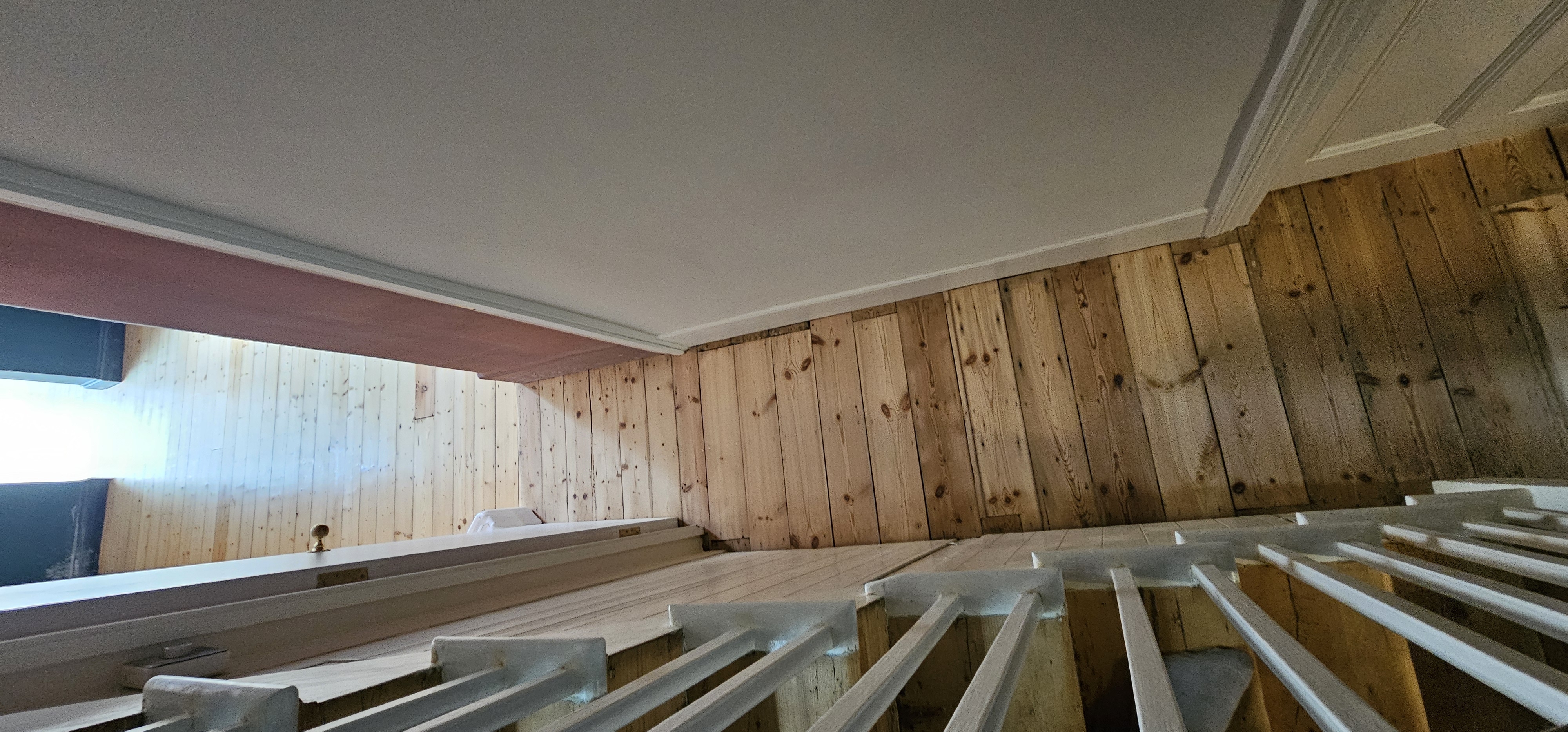
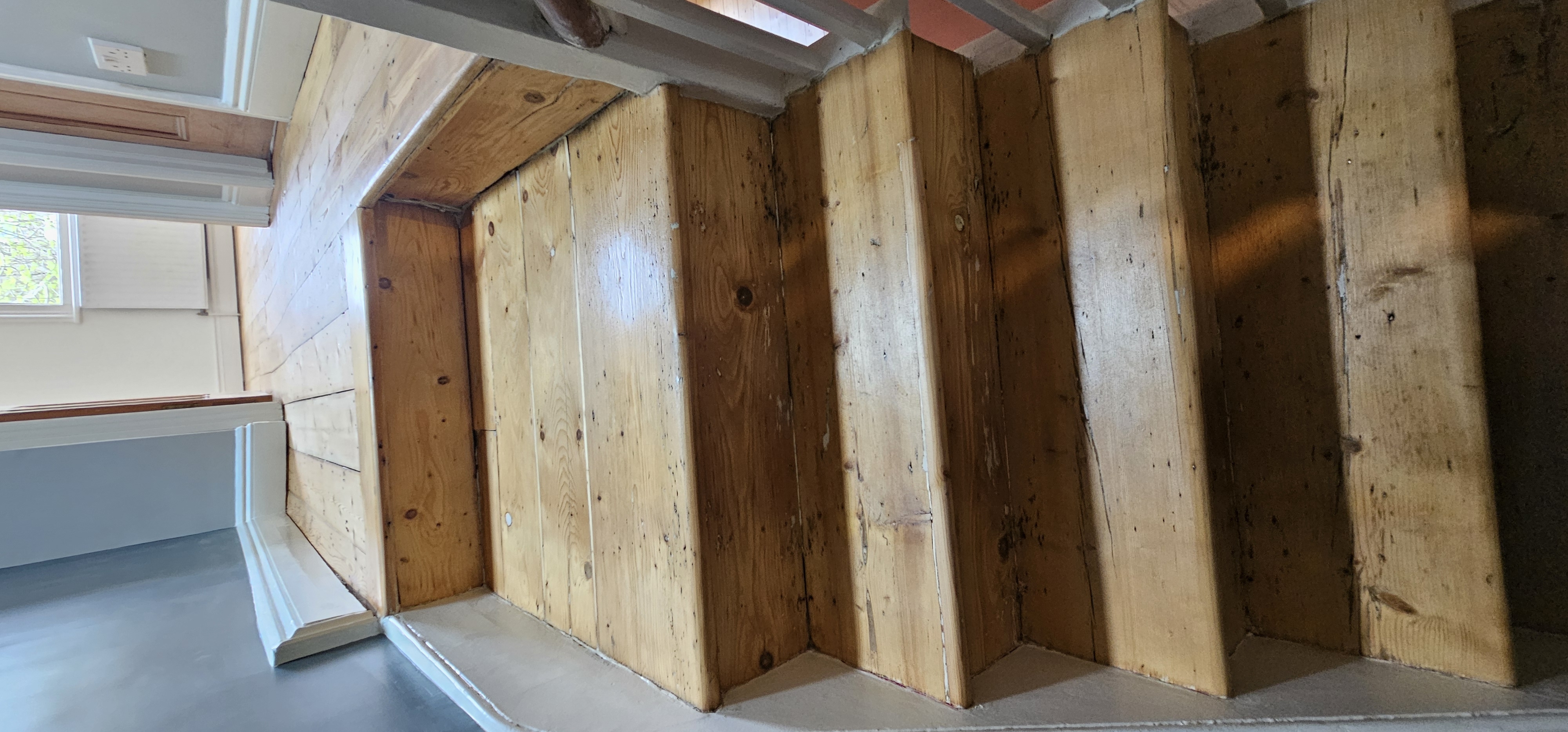
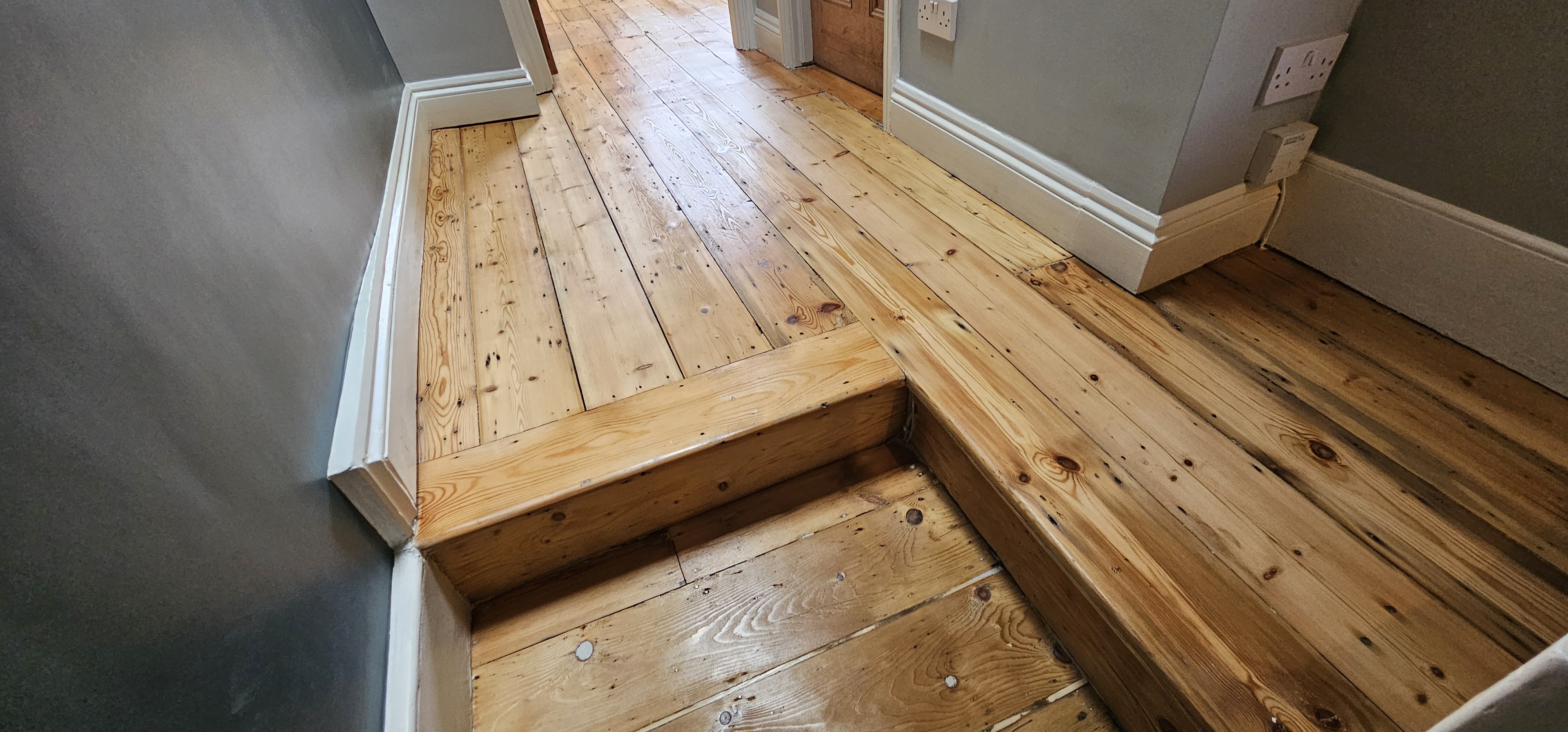
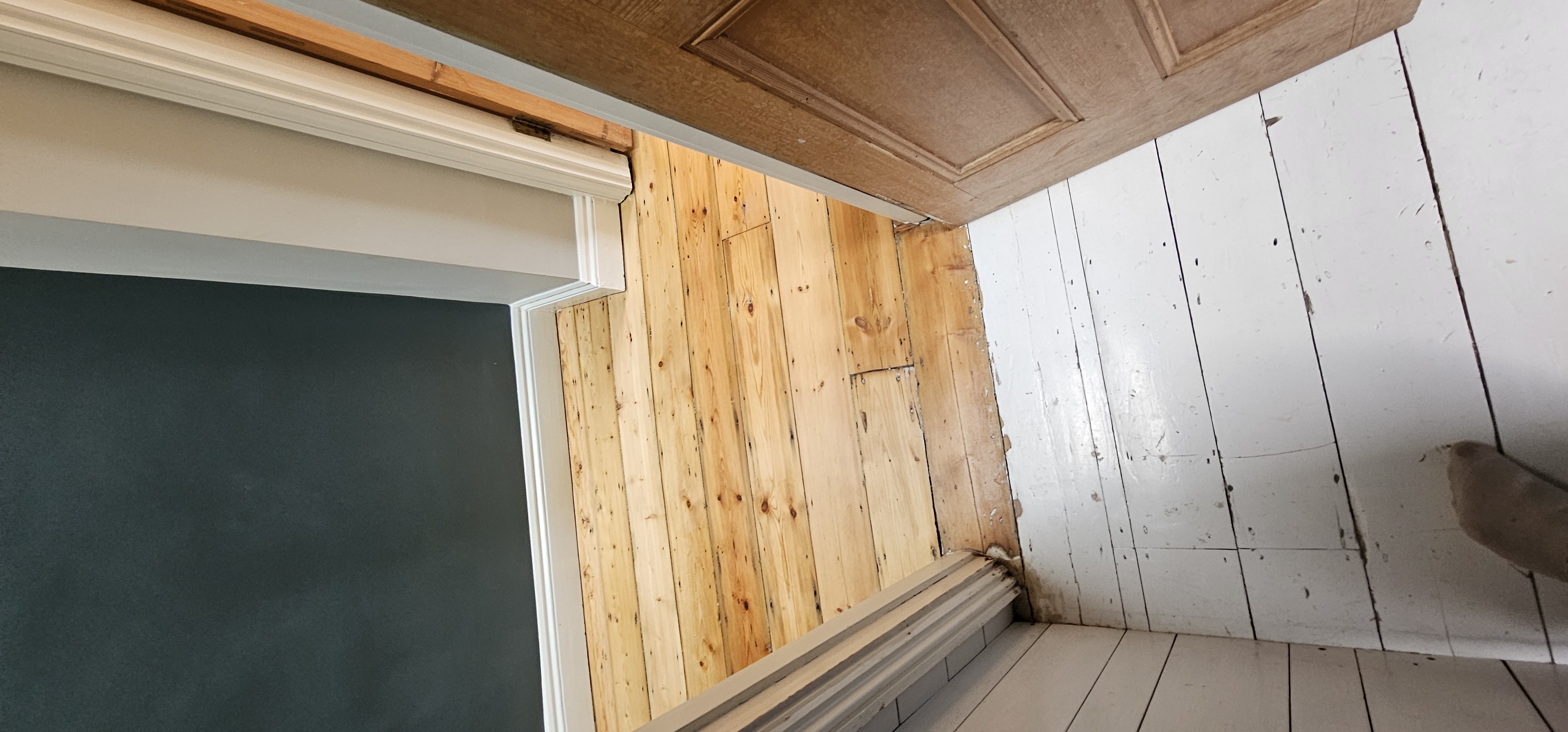
We recently completed a full sanding project on a 1920s Victorian property in Slough, where the original oak flooring had been covered for decades and needed careful restoration. The owners wanted to expose the character of the underlying wood without damaging the period features of the house. Our team spent three weeks preparing, sanding, and finishing the main reception rooms and hallway.
Work carried out
- Floor sanding across 85 square metres of original oak
- Multiple grit progression from 60 grit through to 150 grit finish
- Dust containment and HEPA filtration throughout the process
- Edge sanding and detail work around doorways and fitted furniture
- Three coats of hard wearing polyurethane lacquer
- Final buffing and inspection before handover
About the project
This Slough property presented a common challenge we encounter with older homes in the area. The original boards had settled unevenly over time, creating some minor cupping and slight variations in level between rooms. We couldn't simply use a heavy sanding sequence because the wood was thinner in places than expected, particularly near the windows where decades of sunlight exposure had slightly reduced the timber thickness. Our approach involved careful assessment with a depth gauge before we committed to any aggressive sanding, then working through a slower grit progression to avoid cutting through the veneer layer.
The property had underfloor heating installed several years before, which meant we had to be mindful of moisture and timber movement. We discussed with the owners the need for acclimation time before sanding began, allowing the boards to adjust to normal humidity levels after the heating system had been running. We also recommended leaving expansion gaps in a few critical areas where the boards showed signs of previous movement. The three week schedule included five days for drying between coats, as we always allow proper cure time rather than rushing the finish.
About our Slough service
We've worked extensively across Slough and understand the character of properties in the area. The town has a strong mix of Victorian and Edwardian terraces, particularly in the older neighbourhoods around the town centre, alongside many interwar semi detached homes with similar period features. Most of these properties have hardwood floors underneath fitted carpets, and owners are increasingly recognising the value in restoring them. We've also done work on newer developments near the Thames Valley, where we typically encounter engineered boards that require different handling than solid wood.
Slough's location means we see various timber conditions depending on age and previous maintenance. Older properties often have pine or oak boards, while 1950s onwards properties tend toward mixed species or parquet. Moisture can be a consideration in properties near lower ground levels, so we always check moisture content before starting work. Our dust free sanding equipment is particularly valued here because many properties are terraced or semi detached, where containing dust prevents it affecting neighbouring homes. We typically complete domestic sanding projects in two to four weeks depending on room sizes and floor condition.
Frequently asked questions
How much does floor sanding cost per square metre in Slough?
Sanding costs generally range from £25 to £45 per square metre depending on the current condition of the floor, the timber type, and what finish you're applying. Floors that are heavily marked or have deeper scratches may cost toward the higher end. We provide a site survey and fixed quote before any work begins, so you'll know the exact cost for your property.
How long does sanding typically take?
A straightforward sanding project on a domestic property usually takes two to three weeks. This includes the preparation work, the actual sanding across multiple grit stages, and drying time between coats of finish. Larger properties or those with complex layouts may need slightly longer. We'll give you realistic timescales during the initial survey so you can plan around the work.
Is the dust free process really dust free?
Our sanding equipment is fitted with HEPA filtration and captures dust as it's created, rather than letting it spread through your home. It's not completely dust free because some particles settle during the process, but it's a significant improvement over traditional sanding methods. We also tape doorways and manage air flow to contain any residual particles to the work area.
Project Gallery